onsdag 19 december 2012

Steve Vai - The Story of Light


Vai, the prolific guitar-wizard, releases yet another solo-album. Continuing his fame in the string-bending and shred-community. Such a hard-working idol, dedicated to his work as this man denies trends and simply keeps playing his passionate music.
With his long history of dealing with spirituality expressed through his two-faced self-absorbed and self-distanced persona. He once again tours the world giving special 250$ worth of personal meet and greet and Q&A sessions. A great successful self-promoter who proclaims himself as an introvert. These attributes are part of what gives Steve his great allure, his excellent musicianship aside.

This release is a plethora, like many of its predecessors, of different styles and ideas. Steve Vai has always been a student of all kinds of musics, and that is admirable in it's own right, but producing a self-contained product with that philosophy may sometimes prove difficult.
The initial feeling I was left with after the first listen, was that of a heap of songs haphazardly thrown on a disc. Is that what an album is you say? Oh well, to me it really helps if an album has a clear theme, and Vai previously has done albums that feel a bit more consistent than this.

On the flip side of things, there are some really good tunes on this album. Steve Vai's ability to write catchy, simple yet flaringly sophisticated  songs is still apparent. Yet, the album starts off dully with what I describe as a overly flamboyant long and quite one-sided ambient intro-song. Sadly I have misplaced my babelfish, so the russian narrator presented throughout most of the track, just comes out as a minor distraction (although the russian language really is pleasent to listen to ere).
Thankfully the second track "Velorum" is more along the lines of what a novice Steve Vai fan would expect. A groove, a melody, some extravagant guitarplaying and less than ordinary sound-composition.
Next up is the interesting cover of an old gospel song, split-up into two parts; "John The Revelator" and . It's the albums biggest style hiccup, but isn't at all bad musically.
"Gravity Storm" is the middle-ground and arguably the strongest track on the entire album. A simple riff, with an incredibly rhythmic and heavy base. Guaranteed to make you want to move around feeling like you're the coolest thing ever.
The next mention worthy-track is the ballad called "The Moon and I" and is definitely Vai's best vocal performance to date. He has previously attempted to sing on songs, but up until now, nothing has had the slightest chance of shining in the midst of his guitar-playing.

All in all, Steve Vai keeps making good music, and in the end that is what matters.

Will I listen to this album again?:
Only certain songs

onsdag 14 november 2012

Sonata Arctica - Stones Grow Her Name


Sonata Arctica used to be a name synonymous with fast power metal and incredibly high-pitched vocals. But after the release of the album Unia that was no longer a fitting description. The band had partly reverted to their arena rock origins when they went by the name Tricky Beans. All bands go through changes, but many fans tend to prefer the familiar. Yet, in the end I their new sound to heart, at least on Unia. But by the time the the Days of Grays album was released I had stopped caring for their musical direction.

This latest release has been out for a long time; but since I am an avid fan, I felt I wanted to share my thoughts on it. Is it a re-connection with an iconic sound i feel they abandoned? The answer is, neither a clear yes or no.
But, make no mistake, this is not a return to Ecliptica. The first two tracks are rock-anthems, not bad songs. but a stark contrast to Sonata Arctica's usual themes of dazzling story-telling. On track number three; Losing My Insanity styles of old shine through. A simple catchy chorus and jumpy steady chug guitars leading the way. Completed with a tandem synth and guitar solo.
The remainder of the album has Tony Kakko's trademark melodramatic story-telling, but he is playing it safe with the song-writing. This is radio-friendliness almost all across the board. It's a pleasant easy-listen without any bumps.
A couple of quirks are to be found on the album, though. A notable crossbreeding of genres in the song Cinderblox where banjos and american folk music blends with heavy metal. Another is the haunting message at the end of the album which is relevant to today's environmental problems.

All in all, Stones Grow Her Name is not at all a bad album. There's good music to be found here. But, I can't shake off the lingering feeling of disappointment about the band direction away from their metal roots. But, on the other hand, getting more of the same would get dull in the end. We are treated with hints at the past with sequels to the song Wildfire, but all in all it's doubtful we will ever get a solid power metal album from Sonata Arctica again.

Will I listen to this album again?:
The older albums have a vastly higher priority

fredag 5 oktober 2012

Empirine - Ephemeral


Empirine is a dynamic technical metal duo from Sundsvall and Ephemeral is their second commercial release.  Never before has so many people been able to produce, promote and distribute music as today. The introduction of high-speed internet and the affordability of recording equipment enables niche musicians to thrive. This is EP is the result of painstaking self-production and written with the utmost care, with the goal to make music competing with today's vibrant and swiftly developing metal scene.

The songs roughly follow the same style throughout; with guitar-focused melodic riffing, heavy but colorful. The prominent vocals are death grunts, often coupled with vo-coder. This writing-style is heavily influenced by the progressive technical metal gurus of our age; such as Cynic, the Faceless and Obscura. But  more conventional bands like the Haunted and Opeth have also been flung into the creative juice-cauldron. Computer programmed drums result in a tight sound, but it's somewhat blatant that the duos main focus is not recreating the subtleties of a real drummer. It's perhaps the low-point of the delivery because at parts I feel some sort of input from a real drummer would've been fruitful. The last two part tracks The Ephemeral Endeavor I and II with their clean vocal choruses arguably have the most commercial potential. The second one being adorned with a promotional music video.

Ephemeral is leaps ahead the first album song-writing wise and it's been interesting following the creative development of this talented duo. In order for them to generate a buzz however, a push of some sort is needed. Being completely independent is a beautiful thing, but sometimes the simple act of having a different publisher or handing the mixing to someone more prolific could potentially really make a difference. Hard work and skill is an essential thing, but sometimes knowing "the right people" can be vital. 
Regardless, checking out Empirine is not a waste of your time. Neither this release, nor their prior. Musically (that's where it counts) this is creative song-writing filled with interesting hooks to keep you engaged.

Will I listen to this album again?:
Yes


söndag 9 september 2012

The Faceless - Autotheism


It's a discouraging fact that I'm reviewing this album so long after it's release. Not because it's now become less of news, but because of the fact that I've already fallen in love. This has definitely lessened the objectivity of my opinions to a great extent.

With this latest album, vocalist, guitarist and song-writer Michael Keene has taken it upon himself to be the face of the Faceless. Sporting clean lead-vocals that ooze of inspiration from acts such as Devin Townsend and Mikael Åkerfeldt (Opeth) along with more prominent use of orchestral arrangements. Gone is the subtle use of vo-coder and small spontaneous soft-singing contributions. Initially I was skeptic of this new choice of musical direction. The song-writing seemed to me very erratic and a bit fractured on my first listen. The three-part introduction aptly named Autotheism Movement I,II,III is a barrage of different musical ideas; organs, saxophone solos, pianos and strings. A three part piece that follows a person abandoning his faith and ceremonially buries the concepts of god and in a macabre way then puts himself in the now vacant role of an almighty creator. This is story-telling with music as a medium at it's finest, but it's also boldly ruffling  the feathers of the listener.

The remainder of the tracks follow related themes of awakening but with a broader scope. Touching upon subjects like evolution and science as a tool used for human development and emancipation. These tracks are  musically more familiar and focused, and the faceless still delivers taste-full, brutal and groovy songs with strong guitar-solos and haunting melodies. A lot more emphasis has been put on melodic choruses on almost all of the songs, and only the one minute long Hymn of Sanity is solely dedicated to growl-vocals. The addition of orchestral arrangements on almost every track begs the question how well these songs will fare live. I have attended a show from their previous tour and they did rely on backtrack back then, but I feel there's a line that shouldn't be crossed. It somehow seems like the Faceless are having a tough time balancing creativity in the studio with the ability to faithfully recreate it on stage without a keyboard player, let alone a full-blown orchestra. Though there's nothing wrong with backtracking if done occasionally, it could potentially sterilize a live-show.

This album can be seen as highly controversial in many aspects. The most obvious being it's series of delays and considering the fate of the long overdue Necrophagist album, we all begged the question if it would come out at all. Additionally, the actual theme is bound to feel like an insult to some. With it's contents of stone-faced solipsism and strong anti-christian imagery. It's all interwoven in a very haunting and looming melancholy of emotions that are a clear statement about the current state of the human condition. But then again, personas easily offended aren't likely to be this genres main demographic.

The Faceless has since it's debut been a fresh addition to the new-wave of technical death-metal. Many have loathed it's free-form attitude while others have praised it. It seems the fan-base is split into two camps, those who appreciate their experimental nature and those who may wish the Faceless would move towards a more straight-forward melodic technical death-metal approach. And the latter group who where previously displeased with the bands direction are bound to feel even more alienated now. I for one welcome this move towards vigorously trying new ideas. The only real criticism I have found is that the sources for these influxes of new sounds are at times a little too obvious. It gives you this ambivalent feeling of recognizing, but at the same time savoring, the mixture of tribute and plagiarism.

In the end, this is an album that is masterfully crafted by individuals who are passionate about expressing their true views and feelings of the world. That honesty is always sought for, and perhaps required, in art.

Will I listen to this album again?:
Likely throughout my whole life


tisdag 14 augusti 2012

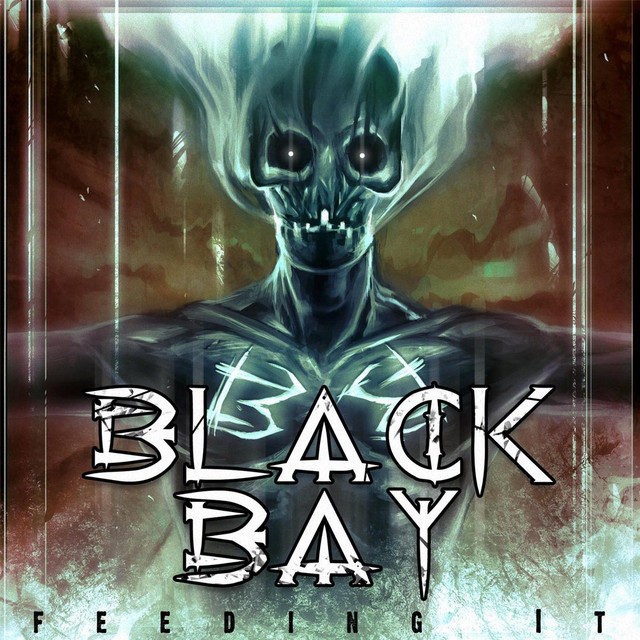
Black Bay - Feeding It


Black Bay a quartet from the middle of Sweden now releasing their first full-length album Feeding It. After a long time being one of Sundsvall's more popular demo metal acts they've now finally put down the immense time and effort needed to produce a debut (self-produced as well I think).
An apt description of this band would be a straight-up no bullshit metal band. Riffs and melodies, aggressive and clear vocals, technical drumming and subtle bass-lines and the occasional guitar solo. It's all there.
Song-structure is also what you'd expect. But here and there the it goes for a twist and surprises the listener.

The introduction title track "Feeding It" soothes you in and then shakes it up with a a heavy break-riff. At this point their progressive subtle influences are laid bare. No doubt one of the stronger tracks on the album.
Since I am familiar with their earlier demo discs I can't help to miss the more anthem-like hooks on the choruses. But I give kudos to the increased technicality in many parts, now fully mastering the art of writing in odd time.
The tracks are good, but there's a lack of that melody or beat that leaves the lasting impression needed. On "Followed" they demonstrate the in your face groovy thrash metal style. And with the epic "Fall of Man" we're met with a dramatic pulsating crescendo. And then there's the albums substitute for a ballad "Torn apart".
Yet all in all Black Bay is a dish best served blackened, on songs such as "Concrete Walls" and "Last Grasp of Reality", but with a touch of  progressive coating. Somewhere on the bridge where Metallica and Dream Theater meet.

Overall it's a satisfying record to listen to, but at some point the chorus vocals fall a little short. It's a shame because there's undoubtedly potential here. I sadly missed their live show last Friday in Sundsvall, so I can't give any input on that. Here's hoping  we see a strong follow-up album in the future.

Will I listen to this album again?:
Occasionally

Spotify-link:

torsdag 9 augusti 2012

Periphery - Periphery II (2012)


Periphery was from the start a djent band (should I really use the word?!) that was heavily tilted towards a more listenable experience for the masses. What was first a bunch of technical instrumental solo-projects was fused into a full-fledged band with vocals. It gave their debut album Icarus a certain unique sound and a fresh direction for this new "genre".

Here I witness the release of their second album with singer Spencer Sotelo and it's a mix of the familiar and new directions. Several of the songs are still older instrumental work refitted for vocals, much like the first album. Back are the frantic low-pitched rythmic and irregular staccatos typical of post-messhuggah metal. 
The first track starts of with a great crescendo and could've been a very strong opening to a concept-album. But Judging from the abrupt restart of a new intro at the next track you can tell that this is more of a compilation album of spare ideas and riffs.
But are the actual songs any good? You bet! It's still periphery, it's still melodic, still progressive, groovy and the choruses are even catchier this time around. And there is a recurring theme in three songs that helps tie it together. 

Periphery is walking a fine line between being a mainstream act and a strike of progressive musical genius. The songs are more varied this time around, and you can tell they are experimenting heavily with song-writing. The future of this band feels a bit uncertain. I feel there's a risk their sound may be sacrificed in the favor radio friendliness. It's a future that's undoubtedly controversial and intriguing to say the least. 

If your into easy-listenable yet heavy and technical metal with new twists in it, be sure to check this out. 
And if you're a fan of the first album, then you've surely already picked it up, and rightfully so.

Will I listen to this album again?:
DEFINATELY!